Uganda-based carbon project developer UpEnergy made history in July 2026 by securing Nigeria's first Corsia-tagged carbon credits. Verra tagged the developer's Social and Climate Impact Programme in Nigeria (VCS2673) under the country's national carbon framework, which Nigeria finalised at the end of 2025. UpEnergy holds a Letter of Authorisation (LoA) from Nigeria's National Council on Climate Change for 3.8 million tonnes of CO2 equivalent (tCO2e) worth of Corresponding Adjustments under Article 6.
What "Corsia-Tagged" Means
Corsia — the Carbon Offsetting and Reduction Scheme for International Aviation — requires airlines to offset their emissions growth using eligible credits from countries that have submitted the necessary UN accounting reports (Biennial Transparency Reports). For a credit to qualify, the host country must have issued a Corresponding Adjustment (CA), confirming the credit is not being counted twice toward the country's own climate target.
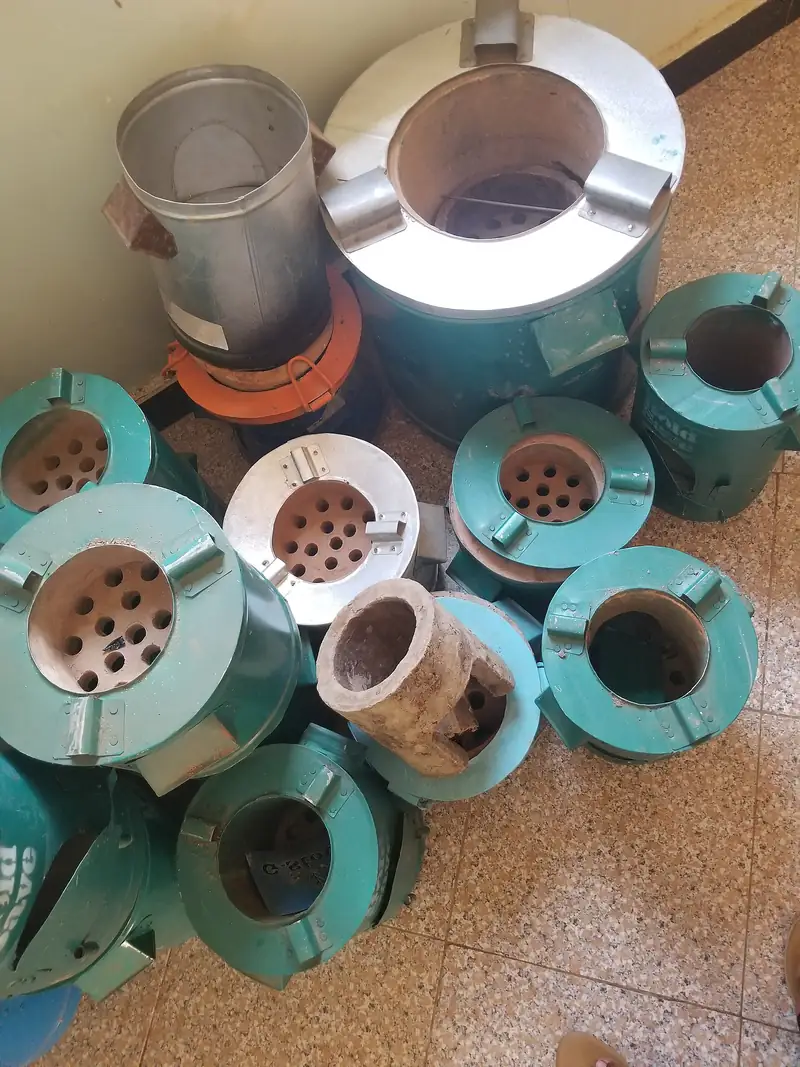
Nigeria's LoA to UpEnergy for 3.8 million tCO2e is a significant supply signal: it makes VCS2673 eligible for Corsia Phase 2 (2027 onwards) demand, at a time when many African countries are still working through their legal frameworks. UpEnergy becomes at least the third Corsia-tagged Nigerian cookstove supplier, alongside Agasco and Burn Manufacturing.
Uganda's Role: Developer, Not Just Project Host
This transaction illustrates something important about Uganda's carbon market: the country is not only a host for projects but a base for carbon developers operating across the continent. UpEnergy's ability to structure, register, and obtain government authorisation for a project in Nigeria — while headquartered in Uganda — reflects the depth of carbon market expertise that has developed in Kampala and around Lake Victoria over the past decade.
Domestically, Uganda-originating credits are also seeing active retirement. In the same period, Ecologi Action retired 8,464 tCO2e of vintage 2024 Uganda cookstove credits (GS10967) — small in volume but confirmation of sustained international buyer interest in Ugandan carbon assets.
The Broader East Africa Picture
The timing coincides with Rwanda completing its Biennial Transparency Report — tagging "tens of millions" of Corsia units across five named projects — and DRC targeting its own BTR for November 2026. East Africa is rapidly building the legal and institutional infrastructure for Corsia supply. Uganda, with its strong project developer ecosystem and growing domestic project pipeline, is well-positioned to benefit.
Timing also depends on where a credit sits in Corsia's phases. The first compliance phase covers 2024 to 2026 and the second begins in 2027, so a unit that is authorised and registered in time for the second phase has a clearer route to airline demand than one still waiting for host-country paperwork. The eligibility rules are set by ICAO and can be updated, so buyers should check the current list of eligible programmes before committing.
What to Check Before You Rely on a Corsia Credit
A Letter of Authorisation is a starting point, not proof that a unit can be used. Buyers should look up the serial numbers on the registry, confirm that the unit carries a Corresponding Adjustment, and check that its vintage falls within the period the airline scheme accepts. The verification report and the project design document show what the project claims to have measured. Our guides on reading a project design document and verifying a credit retirement explain how to read those papers before a purchase.
Frequently Asked Questions
What is a Letter of Authorisation?
A Letter of Authorisation is the written approval a host government gives a project developer so that the project's credits can be used internationally. It is the step that allows a Corresponding Adjustment to be recorded, which is why it matters for Article 6 and Corsia buyers.
Can buyers use these Nigerian credits now?
The article's reading is that VCS2673 is positioned for Corsia Phase 2 demand from 2027 onwards. Before relying on any credit, buyers should confirm its registry status, vintage and Corresponding Adjustment on the public registry, as set out in our guide to buying carbon credits in Uganda.
Why does a Nigerian project appear on a Uganda site?
Because the developer is based in Uganda. The transaction shows how Ugandan expertise is used across Africa. A developer's track record with government authorisations is a useful signal for buyers, whatever the project's location.
Does a Letter of Authorisation guarantee that a credit can be sold?
No. A Letter of Authorisation lets the host government approve the transfer of specific credits, but the buyer still needs the units to exist on a registry, carry a recorded Corresponding Adjustment, and fall within the vintage that the buyer's scheme accepts. Price is a separate matter and is set by negotiation, depending on the standard, the project type and the intended use.
Related: Article 6 in East Africa: How Uganda Compares to Kenya and Cameroon