Offsetting a Trip to Uganda: Flights, Safaris and Gorilla Treks Explained
Most of a trip's carbon footprint comes from the flights, not the safari. This guide explains how to estimate a trip to Uganda, what a carbon offset can and cannot do, and how to check the credits you buy.
Read moreUganda's Carbon Markets: A Buyer's Guide
Uganda's forests and wetlands host some of Africa's highest-quality voluntary carbon projects. Here's everything buyers need to know about sourcing credits from the Pearl of Africa.
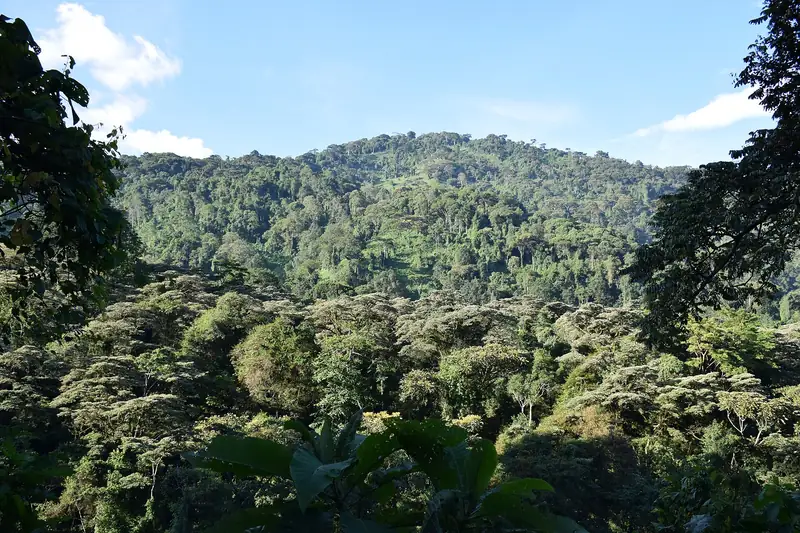
Gorilla Conservation Credits: Uganda's Premium Carbon Opportunity
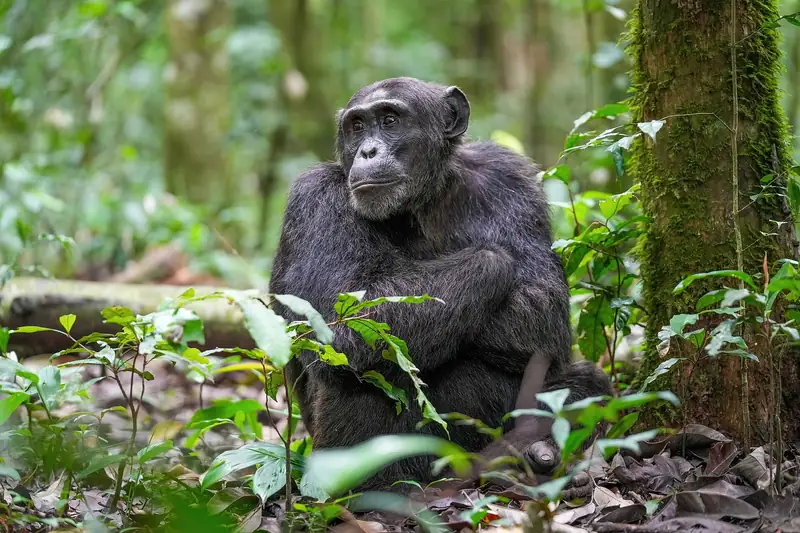
Projects protecting mountain gorilla habitat in Uganda can combine real carbon benefits with one of conservation's best-known species. Here is what buyers should check before paying a premium.

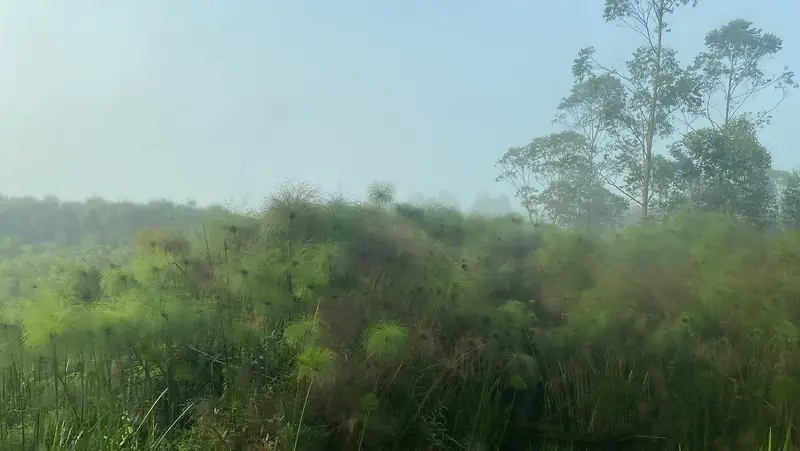
Uganda's Wetlands: The Next Frontier in Blue Carbon
Uganda's vast freshwater wetlands — covering 13% of the country — represent an emerging blue carbon opportunity that could rival its forests in credit potential.
Article 6 in East Africa: How Uganda Compares to Kenya and Cameroon
All three East and Central African carbon powerhouses are developing Article 6 frameworks. Uganda's pipeline is compelling — but so is the competition.
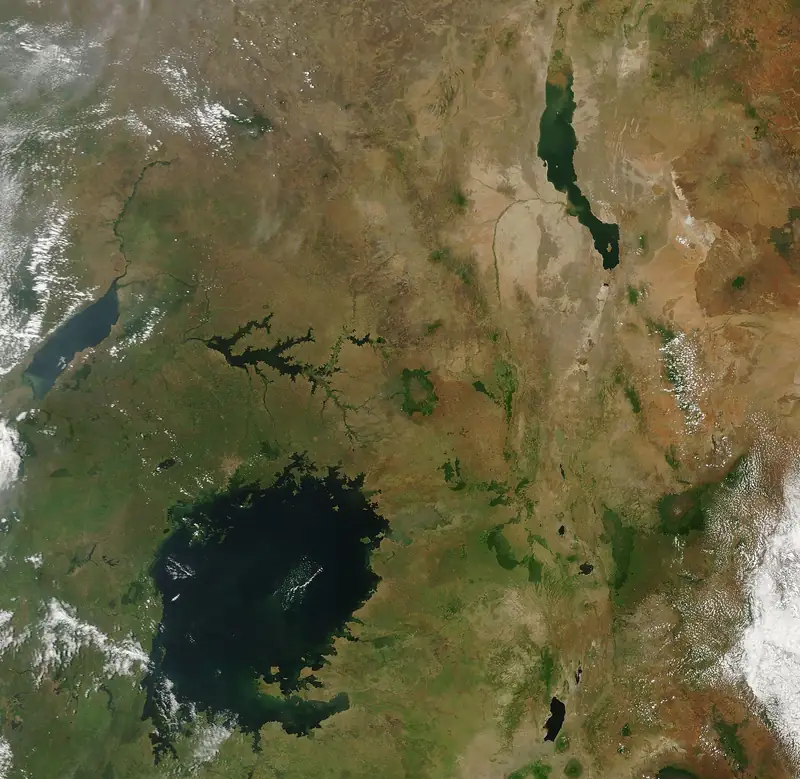
REDD+ in East Africa: Uganda's Role in a Regional Forest Credit Market
Uganda's gorilla habitat and wetland carbon projects are part of a broader East African REDD+ story that includes Kenya and the Congo Basin. Here's where Uganda fits.
Uganda's UpEnergy Secures Nigeria's First Corsia-Tagged Carbon Credits
Uganda-based developer UpEnergy has obtained a 3.8 million tCO2e Letter of Authorisation from Nigeria — making it the first supplier of Corsia-tagged credits from the country, and demonstrating that Uganda's carbon expertise reaches well beyond its borders.
Ascent PPF: $25M World Bank Facility Opens for East African Clean Energy Projects
A $25 million World Bank-backed Project Preparation Facility has launched for companies in 16 East and Southern African countries including Uganda. The first application window closed on August 31, 2026, so the facility now shows what funders want to see from developers.
Top Carbon Credit Projects in Uganda: 2026 Buyer's Guide
Uganda hosts some of East Africa's most compelling carbon credit projects — from gorilla habitat conservation in Bwindi to wetland blue carbon in the Albertine Rift. Here are the projects international buyers should know, with each one's verification status.
How to Buy Carbon Credits in Uganda: A Guide for Businesses
Whether you're a Ugandan company looking to offset your footprint or an international buyer targeting East African nature-based credits, here is the step-by-step process for purchasing verified Uganda carbon credits in 2026.

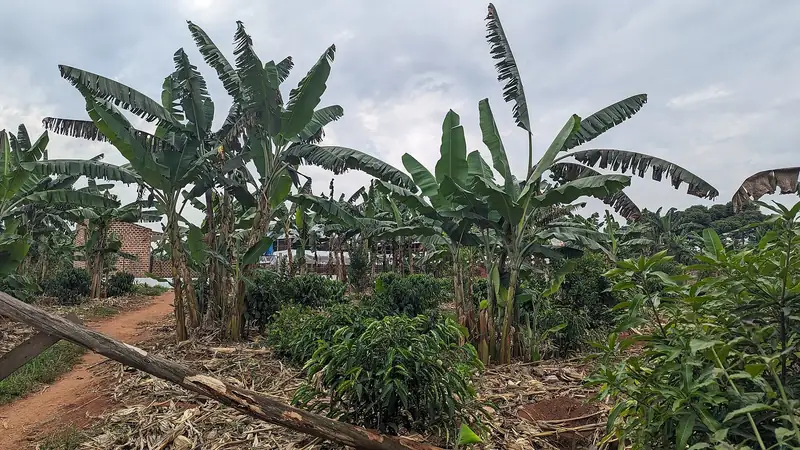
Coffee, Shade Trees and Carbon: How Agroforestry Works on Ugandan Farms
Uganda's coffee and banana farms already mix crops with trees. This article explains how agroforestry stores carbon on smallholder land, what has to be measured, and where the real difficulties lie.
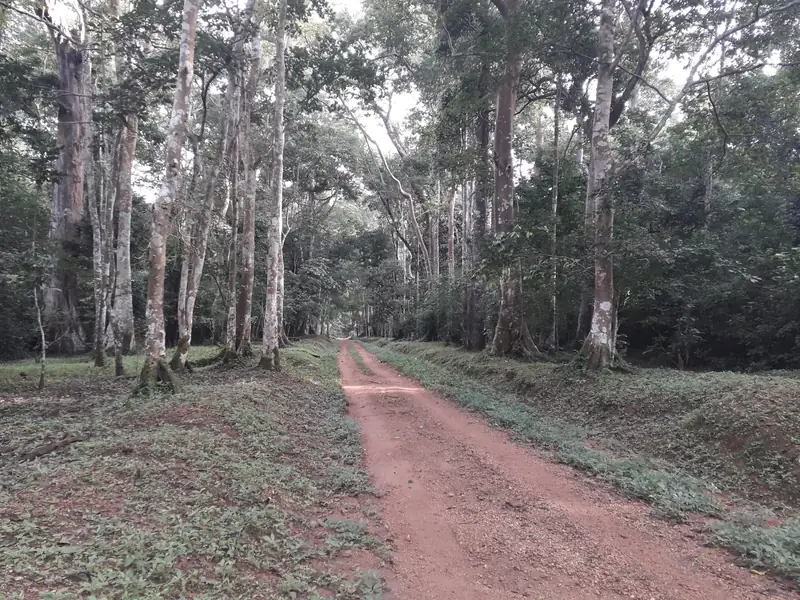
Central Forest Reserves and Carbon Credits: Protecting Uganda's Public Forests
Much of Uganda's remaining natural forest sits in central forest reserves managed by the National Forestry Authority. Here is why these public forests matter for carbon projects, and what makes them hard to protect and to credit.
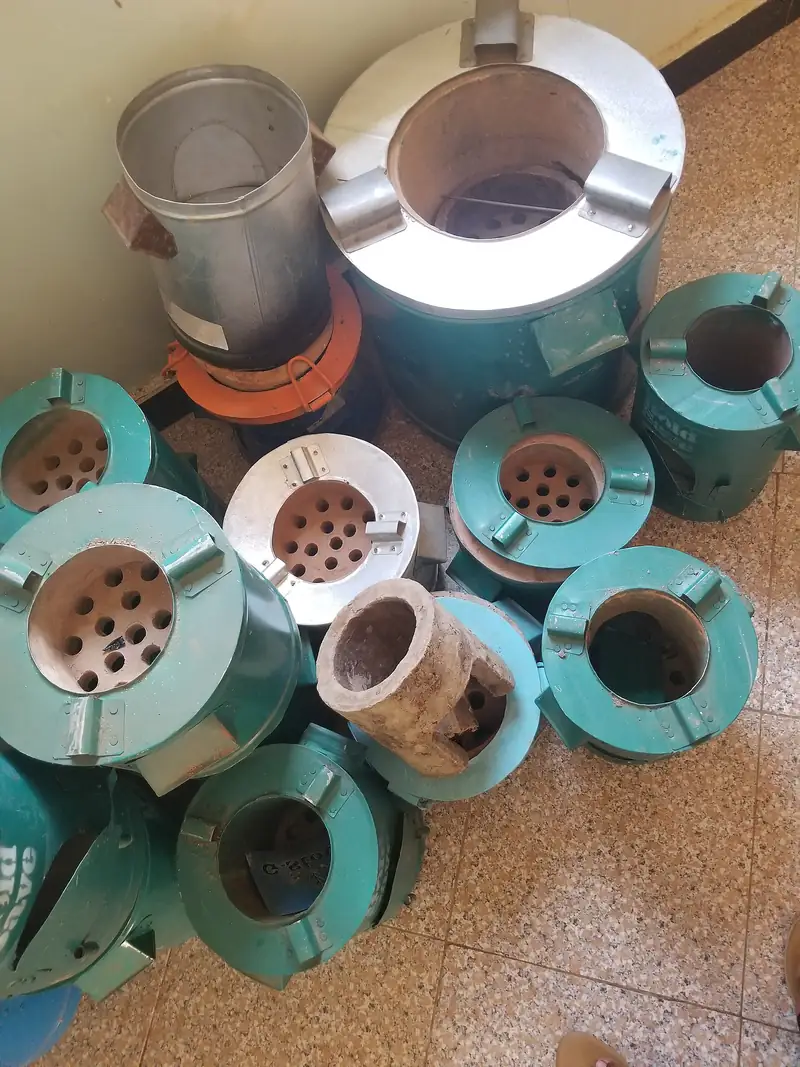
Clean Cooking Carbon Credits in Uganda: What Buyers Should Check
Improved cookstove projects are among the most common carbon credit types in Uganda. Here is what buyers should check on fuel savings, stove use and co-benefits before they buy.
Verra, Gold Standard or Plan Vivo: Which Carbon Standard Fits a Ugandan Project?
Carbon credits are issued under a standard, and the choice shapes cost, credibility and buyer interest. Here is how Verra, Gold Standard and Plan Vivo differ for projects in Uganda.
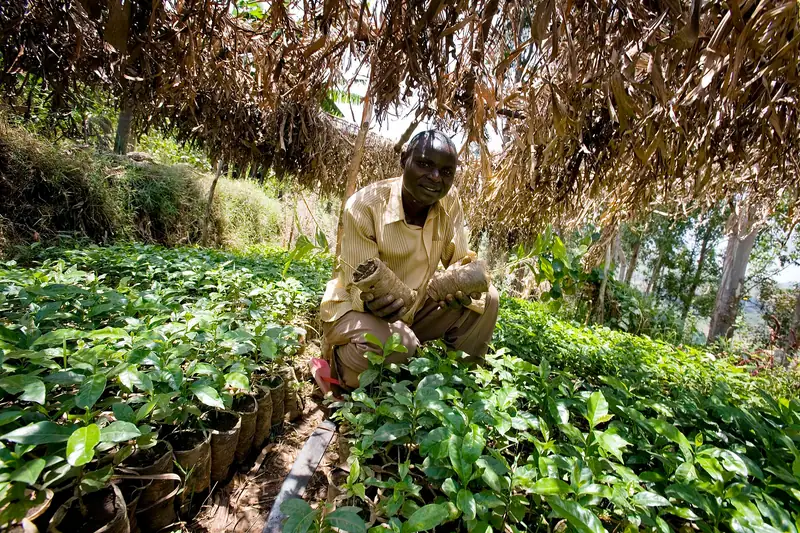
The CCP Label: What Integrity Labels Mean for Buyers of Ugandan Carbon Credits
Buyers increasingly ask whether a credit carries an integrity label. Here is what the ICVCM's CCP label means, how it applies to Ugandan projects, and what it does not guarantee.
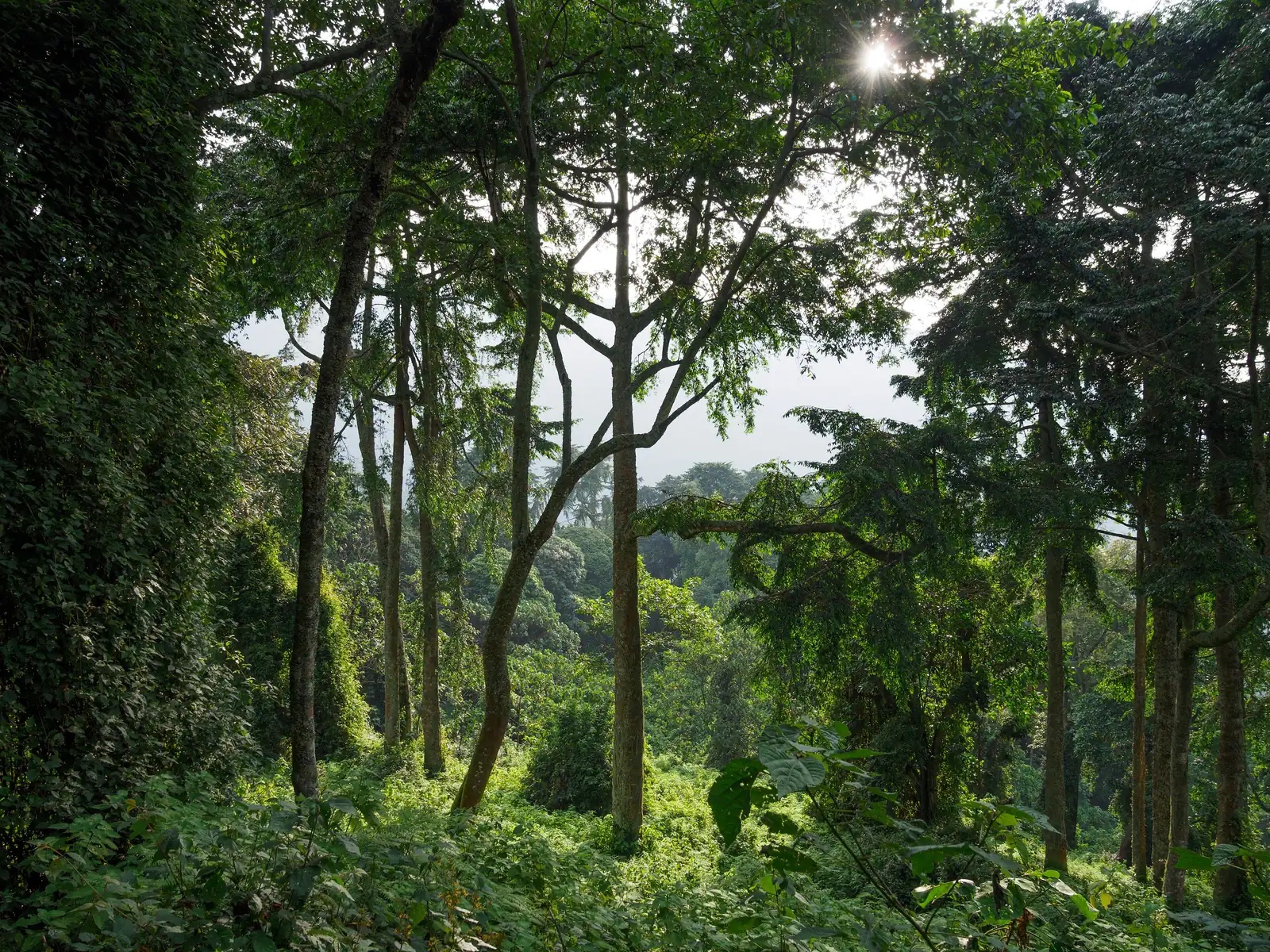
Avoiding Carbon Credit Scams in Uganda: Six Red Flags Every Buyer Should Check
Uganda has real carbon projects, which makes fake offers easier to believe. Here are the six warning signs that a Ugandan carbon credit may not be what the seller says, and a checklist to use before you pay.
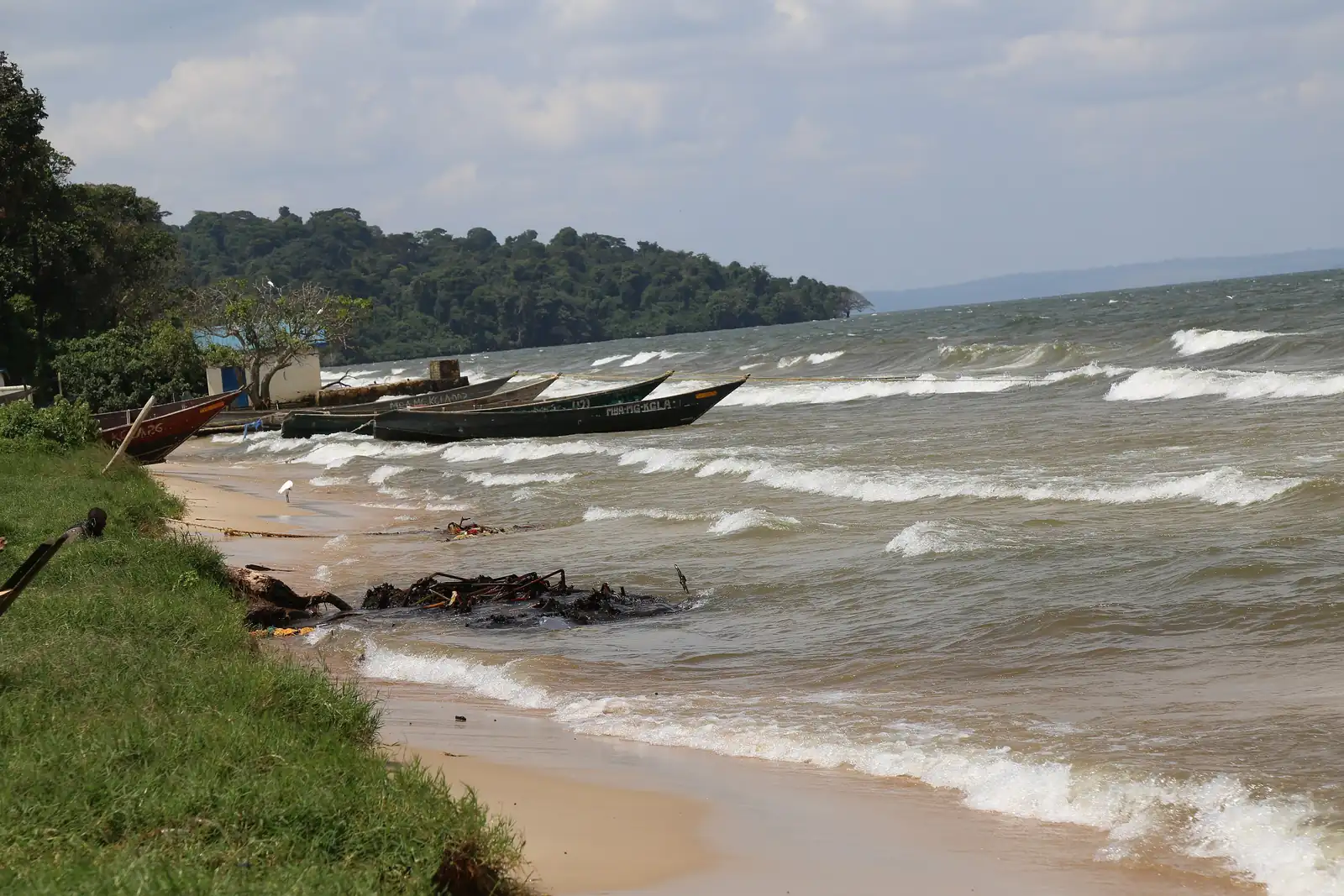
How Much Do Carbon Credits Cost in Uganda? What Drives the Price
There is no single price for a Ugandan carbon credit. Project type, standard, vintage, co-benefits and contract terms all move the number. Here is how to read a quote before you accept it.

Carbon Neutral Claims and Ugandan Credits: What the Rules Expect
Using Ugandan carbon credits to back a carbon neutral claim? Here is what the GHG Protocol, ISO 14068-1 and EU consumer rules expect, and a checklist to use before you publish.
Community Benefit Sharing in Ugandan Carbon Projects: What Buyers Should Check
Forest, wetland and farm carbon projects in Uganda depend on the people who live and work on the land. Here is what a documented benefit-sharing arrangement should contain, and what to ask a seller before you buy.
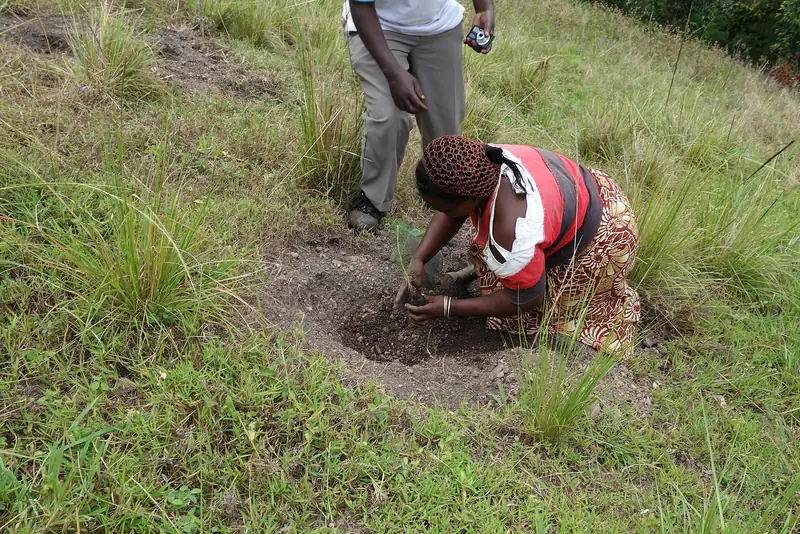
Buffer Pools and Permanence: How Ugandan Forest Credits Handle the Risk of Reversal
A forest credit is only worth what the carbon stays stored for. Here is how buffer pools cover the risk of reversal in Ugandan forest and tree projects, and what a buyer should check.
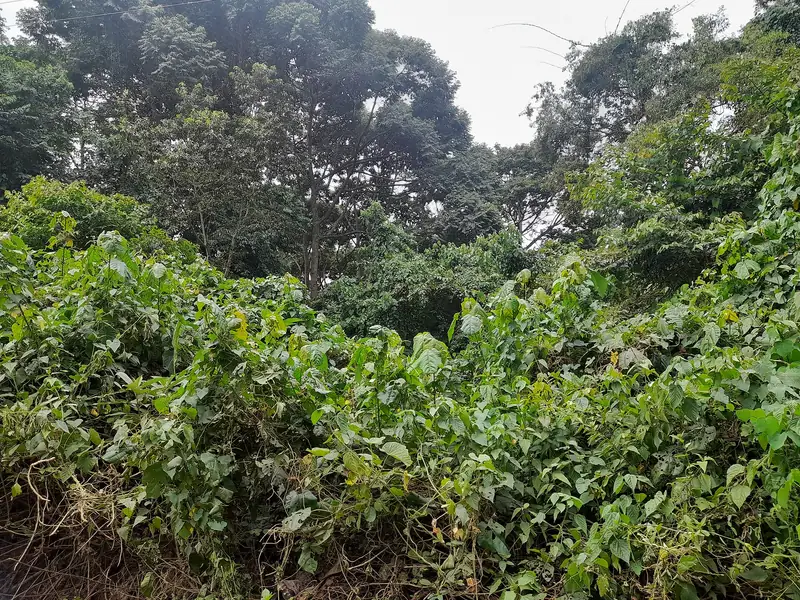
Monitoring and Verification: How Ugandan Carbon Projects Prove Their Results
A carbon credit is only as good as the measurements behind it. Here is how monitoring, reporting and independent verification work for Ugandan carbon projects, and which documents a buyer can ask to see.
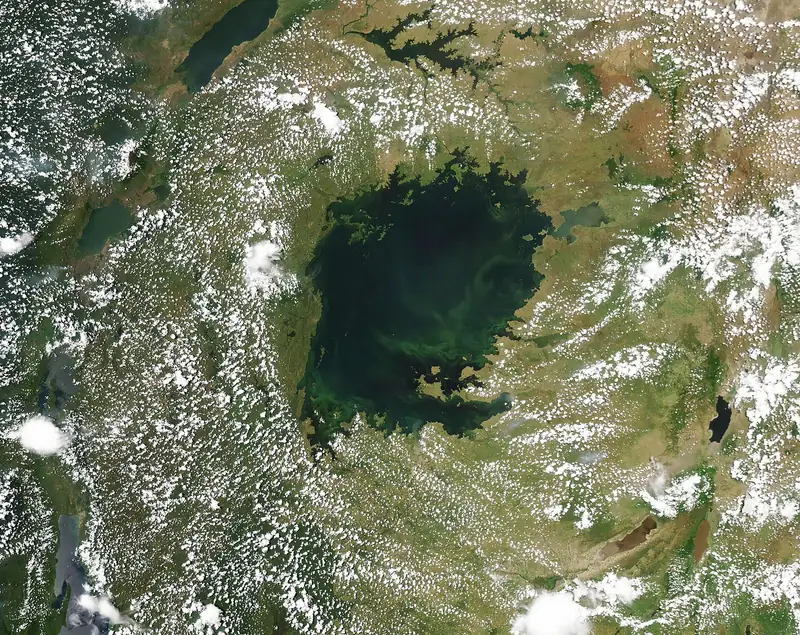
Who Holds the Land and the Carbon? Land Tenure in Ugandan Carbon Projects
A carbon project is only as secure as the land it sits on. Here is how land tenure, carbon rights and benefit sharing fit together in Uganda, and what a buyer should ask before purchasing credits.
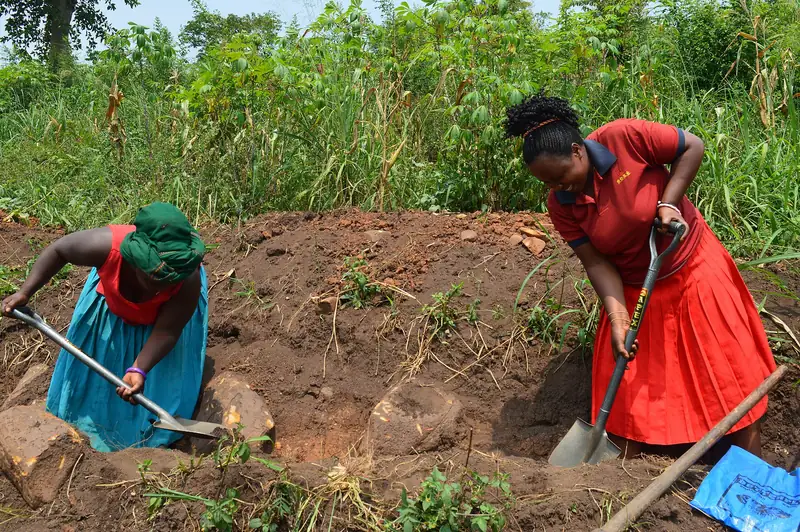
Proof of Retirement: How to Check a Ugandan Carbon Credit Was Really Retired
A carbon credit only supports a climate claim once it has been retired on a public registry. Here is how buyers in Uganda can check serial numbers, retirement records and certificates before they publish anything.
Reading a Project Design Document: A Buyer's Checklist for Ugandan Carbon Projects
The project design document is the main public record of what a carbon project claims to do. Here is how buyers in Uganda can read one, section by section, before they commit money.
Do Carbon Credits Expire? Crediting Periods, Vintages and What Uganda Buyers Should Check
Carbon credits from Uganda do not usually expire in the way food does, but the crediting period, the vintage and the registry status all decide whether a credit still works for a given claim.
How to Sell Carbon Credits from Uganda: A Starting Guide for Landowners and Developers
Selling carbon credits from Uganda is a multi-year process, not a quick transaction. This guide sets out the stages a landowner or project developer goes through, from checking land rights to finding a buyer.
Read moreBiochar Carbon Removal in Uganda: A Durable Option Still Finding Its Market
Biochar turns crop residues and sawmill waste into a stable, carbon-rich solid that can be stored in soil for centuries. Here is how it is certified, where Uganda's feedstock comes from, and what buyers should check before they pay.
Read moreTree Planting and Carbon Credits in Uganda: Why a Planted Tree Is Not Yet a Credit
Tree-planting drives are popular in Uganda, but a seedling is not a carbon credit. Here is how survival, baselines, permanence and verification separate planting from offsetting.
Additionality and Baselines: Would the Carbon Have Been Saved Anyway?
Additionality is the test that asks whether a Ugandan carbon project made a difference. Here is how baselines work, what the common tests look for, and what buyers should ask to see.
Leakage in Uganda Forest Carbon Projects: When Protection Moves the Problem
A forest project can protect every hectare inside its boundary and still deliver less climate benefit than it claims, if clearing simply moves to the next patch of forest. Here is how leakage is accounted for in Uganda and what buyers should check.
Read moreNational Parks and Carbon Credits in Uganda: Why Protected Areas Need a Different Test
Uganda's national parks protect some of the country's most important forest and wildlife habitat, but a carbon project inside a park faces different land rules, baseline questions and carbon-rights checks. Here is what buyers should ask before they buy.
Read moreAfforestation and Reforestation Credits in Uganda: How ARR Projects Earn Carbon Units
Planting trees on Ugandan land can generate carbon credits, but the carbon arrives slowly and depends on survival. Here is how afforestation and reforestation credits work and what buyers should check.
Soil Carbon Credits in Uganda: What Farmers and Buyers Should Check
Soil can store large amounts of carbon, and Ugandan farms can be paid for building it up. Soil is harder to measure than trees, so here is how these projects work, where the risks sit and what to check before joining or buying.
Read moreBiogas and Manure Methane Credits in Uganda: What Farms and Buyers Should Check
Manure and organic waste release methane as they rot. Biogas projects capture that gas and use or burn it, which can earn carbon credits. Here is how these projects work in Uganda, why the baseline decides everything, and what to check before joining or buying.
Read moreSolar Home System Carbon Credits in Uganda: What Buyers and Households Should Check
Solar home systems replace kerosene, candles and diesel for off-grid Ugandan households and can earn carbon credits. Here is how the baseline, double counting and unit monitoring decide whether those credits are real.
Read more