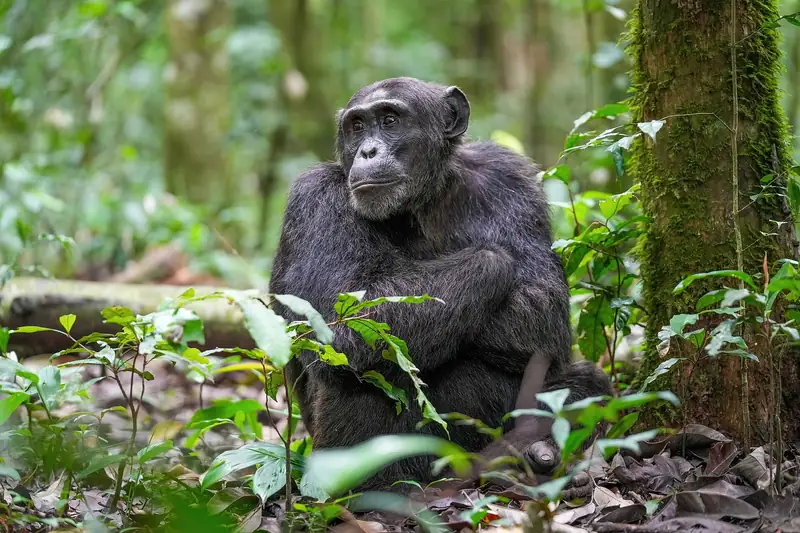
Uganda's ecological diversity — spanning montane gorilla forests, savannah woodlands, wetlands, and the Albertine Rift biodiversity hotspot — makes it one of East Africa's most promising sources of high-quality nature-based carbon credits. This guide covers the active and pipeline carbon credit projects in Uganda that are verified, registering, or actively issuing credits in 2026.
1. Bulindi Chimpanzee Habitat Restoration (Gold Standard / VM0011)
The Bulindi project, developed by the Bulindi Chimpanzee and Community Project, protects and restores forest habitat for the Hoima District's unprotected chimpanzee population — one of Uganda's last significant chimp communities outside a national park. The project uses Gold Standard's VM0011 methodology for improved land management and generates verified emission reductions through preventing deforestation and degradation of community forests. Co-benefits include biodiversity conservation, women's livelihood support, and clean cookstove distribution.
Verification: Gold Standard | Co-benefits: SDG 13, 15, 1, 5 | Status: Active, credits available through broker market
2. Bwindi Forest Carbon Project (REDD+ / Verra VCS)
The Bwindi Impenetrable Forest — a UNESCO World Heritage Site and home to roughly half the world's remaining mountain gorillas — anchors one of Uganda's flagship REDD+ project pipelines. The conservation corridor spanning Bwindi and Mgahinga Gorilla National Parks has attracted developer interest from multiple international carbon finance firms. REDD+ credits from the Bwindi corridor carry significant biodiversity premiums, with verified gorilla habitat conservation generating credits that trade at $12–$22 per tonne in the voluntary market, reflecting high-charisma species uplift.
Verification: Verra VCS + CCBS (Climate, Community and Biodiversity Standards) | Co-benefits: Mountain gorilla conservation, community ranger employment | Status: Pipeline / validation phase
3. Lake Victoria Blue Carbon Restoration
Uganda's Lake Victoria shoreline supports significant papyrus wetland ecosystems — one of Africa's most productive blue carbon habitats. Papyrus wetlands sequester carbon at rates comparable to mangroves but remain substantially undervalued in voluntary carbon markets. Early-stage projects led by Ugandan conservation NGOs are working to establish the first verified blue carbon methodology applications for freshwater wetlands in East Africa. The Lake Victoria basin wetland restoration pipeline represents a significant emerging opportunity for biodiversity-linked carbon credit buyers.
Verification: Plan Vivo (target) | Co-benefits: Nile perch habitat, community fishing rights | Status: Early project development (PD phase)
4. UpEnergy Clean Cooking — Uganda
UpEnergy is one of the largest carbon-finance-backed clean cooking developers operating in Uganda. The project deploys efficient biomass cookstoves across rural Uganda, reducing both carbon emissions and household air pollution. UpEnergy's Uganda cookstove credits are registered under Verra's AMS-II.G methodology and have been issued at scale since 2018. In 2026, UpEnergy demonstrated its regional ambition by securing a 3.8 million tCO2e Article 6 Letter of Authorisation from Nigeria — the first of its kind from that country — signalling the quality of its developer credentials.
Verification: Verra VCS (AMS-II.G) | Co-benefits: Reduced household air pollution, women's time savings, fuelwood reduction | Status: Active credits available, 2021–2025 vintages on market
5. Albertine Rift Wetland Restoration
The Albertine Rift — Uganda's western boundary with DRC — hosts some of the most biodiverse freshwater wetland ecosystems in Africa. Wetland restoration projects targeting Ramsar-listed sites in the Rift are in early development with international conservation finance institutions. The combination of carbon sequestration, biodiversity co-benefits, and hydrological regulation makes these projects attractive to buyers seeking compliance-grade nature-based solutions ahead of the transition to voluntary carbon market Article 6 mechanisms.
Verification: Plan Vivo / Verra VCS (pending methodology selection) | Co-benefits: Freshwater biodiversity, flood regulation | Status: Feasibility / concept phase
Buying Uganda Carbon Credits: What to Know
International buyers seeking Uganda carbon credits typically access them through one of three channels: direct project developer relationships (for large-volume purchases above 10,000 tCO2e/year), voluntary carbon market brokers (EcoAct, South Pole, Sterling Planet, Xpansiv CBL platform), or the Verra and Gold Standard public registries for spot and forward purchases. Due diligence should confirm the project's current registry status, most recent verification report date, and buffer pool allocation.
For buyers targeting Uganda's nature-based credits specifically, biodiversity co-benefit certifications (CCBS, Wildlife standard) command premiums of 20–60% over standard REDD+ credits, reflecting market appetite for high-integrity, charismatic ecosystem credits.
Frequently Asked Questions
Is this list a complete record of Ugandan carbon projects?
No. It covers the projects this guide describes as verified, registering or in development in 2026. Project status changes often, so check each project's registry entry before you rely on it.
Which project type is usually cheapest to buy?
Cookstove credits generally sit at the lower end of the price range, and blue carbon at the upper end, because the market for early wetland credits is thin. These are indicative ranges, not quotes. Our article on what drives the cost of Ugandan carbon credits explains how to compare a specific offer.
Should I buy from a project that is still in validation?
Only with a clear contract. Agree the volume, the expected issuance date, what happens if credits are late or not issued, and the refund terms. Credits that are already issued and retired in your name carry less delivery risk.
Where should I start?
Read our guide to how to buy carbon credits in Uganda for the purchase steps, and our comparison of Verra, Gold Standard and Plan Vivo to understand the standards named above.
Related: Uganda's Carbon Markets: A Buyer's Guide | Gorilla Conservation Credits: Uganda's Premium Carbon Opportunity