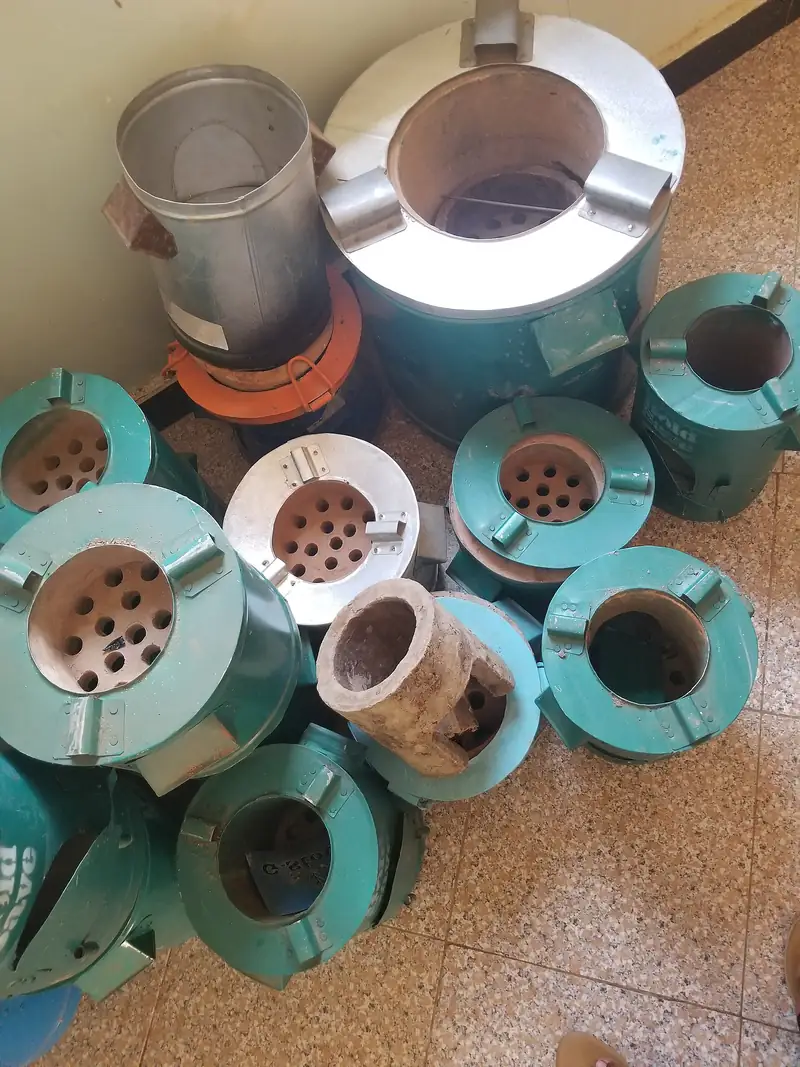
A $25 million financing facility — the Ascent Project Preparation Facility (PPF) — has opened applications for clean cooking and energy access companies across 16 East and Southern African countries. The facility is funded by the World Bank and Comesa, and managed by London-based Cygnum Capital. Uganda is among the 16 eligible countries.
Who Can Apply
Eligible countries: Uganda, Kenya, Tanzania, Ethiopia, Rwanda, DRC, Burundi, Comoros, Lesotho, Madagascar, Malawi, Mozambique, São Tomé and Príncipe, Somalia, South Sudan, and Zambia. Applicants must be registered in one of these countries, have operated for at least three years, and have a minimum annual revenue of $250,000 (solar home systems) or $150,000 (clean cooking, minigrids, productive use energy).
The facility offers milestone-based grants of $50,000–$200,000 for project preparation and business development — the stage that is most underfunded in East Africa's clean energy sector.
Why It Matters for Carbon Developers
Uganda's cookstove and clean energy project pipeline is one of the most active in East Africa. UpEnergy — Uganda-based — recently secured a 3.8 million tCO2e Article 6 LoA from Nigeria, demonstrating the regional ambition of Uganda's developer community. Domestic projects like the Bwindi gorilla habitat conservation corridor and Albertine Rift wetland restoration are at earlier stages of carbon market integration, where exactly the kind of project preparation support the Ascent PPF offers would accelerate timelines.
For Ugandan developers, the Ascent PPF represents a rare combination: non-dilutive grant capital, a World Bank stamp, and a wide eligible geography that allows Uganda-based firms to develop projects across the region under a single facility.
Timeline
Applications opened July 2026. First submission window closes August 31, 2026.
Because that window has now closed, the practical question for Ugandan developers is not whether to apply this round but what to have ready if a later round is announced. The sections below set out what to prepare and what to check first.
What Developers Should Do Now
The first submission window has closed, but the facility is still a useful signal of what funders want to see. Project preparation grants of this kind usually reward developers who can show a clear business plan, audited accounts and a credible route to carbon revenue. If you are preparing a Ugandan project, use the time to gather three things: a record of your trading history, a draft carbon baseline and monitoring plan, and evidence that local households or communities support the project. Check the facility's official channels for any later rounds before you plan around one, because we cannot confirm how future windows will work.
How Preparation Grants Relate to Carbon Revenue
A preparation grant and a carbon credit pay for different stages of a project. A grant of this kind helps a company get ready: writing the business plan, commissioning technical studies, and building the records that a lender or a carbon registry will ask for. Carbon revenue arrives later, only after the project is registered, operating, monitored and verified, and only for emission reductions that have actually taken place. For a Ugandan developer, that gap between preparation costs and first issuance is often the hardest period to finance.
It also helps to keep the two sources of money separate in the accounts. Grant funding spent on preparation should be recorded as such, and a buyer or auditor reading the project documents will want to see clearly who paid for what. Our guide to reading a project design document shows where a developer is expected to describe funding and ownership, and our article on monitoring and verification explains why good records from the first day make later verification easier.
Frequently Asked Questions
Does the Ascent PPF buy carbon credits?
No. It provides grants for project preparation and business development. Carbon credits are sold separately through the usual registry and buyer channels.
Is the facility only for cookstove companies?
No. The criteria mention clean cooking, solar home systems, minigrids and productive use energy, each with its own revenue threshold.
Is the facility still open to applications?
The first submission window closed on August 31, 2026. This article cannot confirm whether later windows will open, so check the facility's official channels before you plan around one.
Where can I learn how Ugandan cookstove credits work?
Read our guide to clean cooking carbon credits in Uganda, which sets out what buyers should check.
Related: Uganda's UpEnergy Secures Nigeria's First Corsia-Tagged Credits | REDD+ in East Africa: Uganda's Role in a Regional Forest Credit Market